

The Foundation
The Foundation
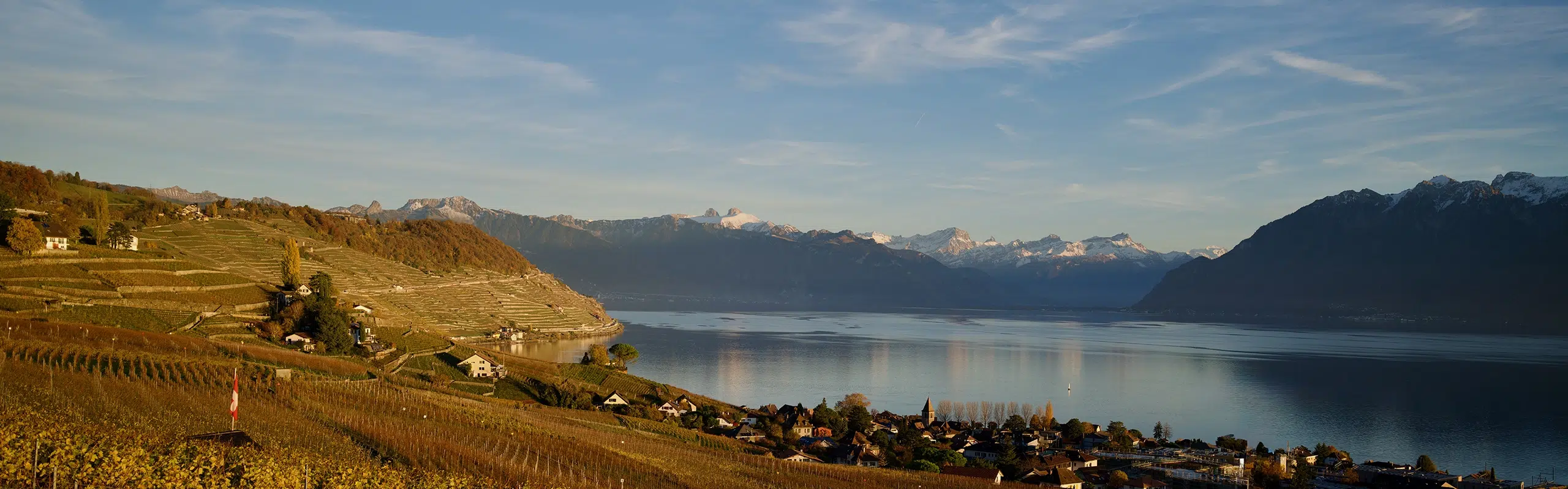
The Louis-Philippe and Anne-Christine Bovard Public Utility Foundation, based in Cully, was established in 2016. Its mission is to preserve and promote the Lavaux region. Active from 2022 onwards, the foundation is involved in several areas: viticulture, vocational training and the state of the natural heritage of the Lavaux vineyards. It also focuses on built heritage and culture.
Bovard Family
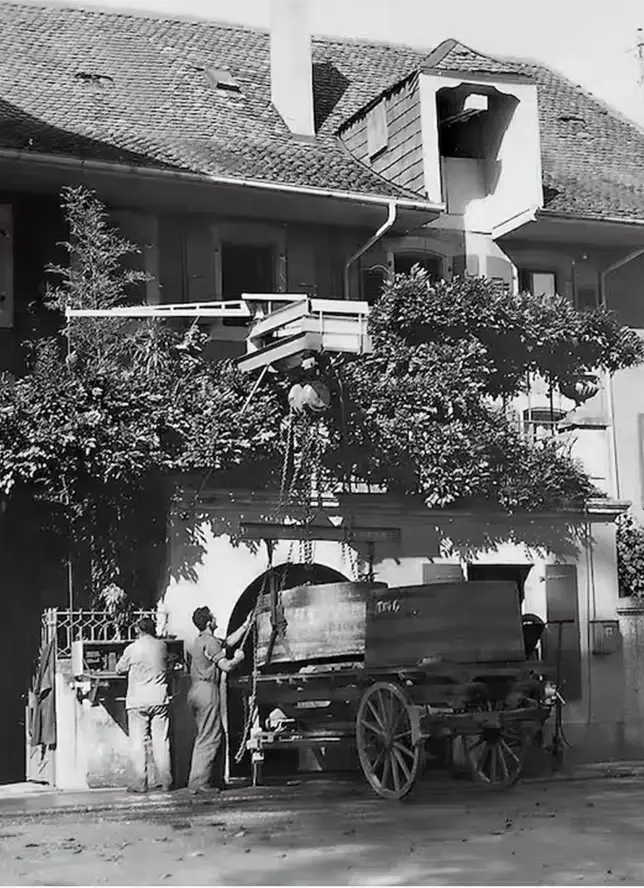
Bovard is a surname from Lavaux, originating from the Savoyard immigration of the mountain farmer Pierre Bovard and his wife Catherine.
Both came from the hamlet of La Chapelle, in the parish of Saint-Nicolas de Véroce, which neighbours Chamonix and belongs to the Diocese of Geneva. In the 1530s, they settled as sharecroppers on the estate of Guillaume Regnault, squire of Romont and lord of Chanéaz, in his house at La Crausaz near Grandvaux. Then, from the 1540s onwards, the couple entered the service of Jean Amédée Gaschet, banneret of Payerne. The steep path leading from Villette to Grandvaux passes by La Crausaz, a beautiful winegrower’s house where the Bovards, originally from Savoy, found a home and became Vaudois.
Pierre Bovard’s large family (two daughters and six sons) gave rise to all those bearing the surname who subsequently acquired citizenship in the major parishes of Lutry and Villette, as well as in the villages and municipalities that emerged from them. These lines of winegrowers settled mainly in Épesses, Riex and, from 1780, in Cully, where some of their descendants continue to tend the vines and produce quality wine.
The Bovard legacy even became an emblematic figure of the Lavaux winegrower through the writings of Charles-Ferdinand Ramuz (1878–1947). The great Vaudois writer crafted this image in ‘Bovard dans sa vigne’, a passage from the novel ‘Passage du poète’ (1923). Ramuz portrayed Bovard as the winemaker contemplating life with his wife at the twilight of a life of labour. This famous text was long reproduced as the preface to the family record book of every citizen of Vaud.
Louis-Philippe Bovard
As the 14th-generation head of the family vineyard, Louis-Philippe Bovard (born 1934) is one of Switzerland’s most renowned winemakers.
He began his career as an administrator, heading both the Office des vins vaudois (1963–1973) and the Comptoir suisse (1973–1983). He succeeded his winemaker father in 1983, undertaking numerous studies, initiatives and innovations, such as the introduction of Chenin Blanc, Sauvignon Blanc and Syrah to Lavaux. Louis-Philippe Bovard founded, or played a key role in founding, the Wine Museum in Aigle, the Mémoire des vins suisses, Arte Vitis, the Baronnie du Dézaley and the Conservatoire Mondial du Chasselas. Some of his iconic wines have received the highest national and international accolades, as well as top marks in specialist guides such as Parker’s.


Anne-Christine Bovard
Anne-Christine Bovard (1942–2021), née Bachmann, was the wife of Louis-Philippe Bovard. She worked as a translator and interpreter, collaborating with companies such as BBC Brown, Boveri & Cie.
With a passion for the land and built heritage, she oversaw the restoration and construction of village houses.
Anne-Christine Bovard was also a talented painter.