

Supporting innovation in wine-making and preserving the heritage of Lavaux
Place d'Armes 2
1096 Cully
Our mission
Its aim is to encourage and support viticulture and winemaking activities and innovation, whilst promoting further training for those working in the sector. In particular, we contribute to the development of the Fondation du Conservatoire Mondial du Chasselas, a symbol of expertise and tradition.
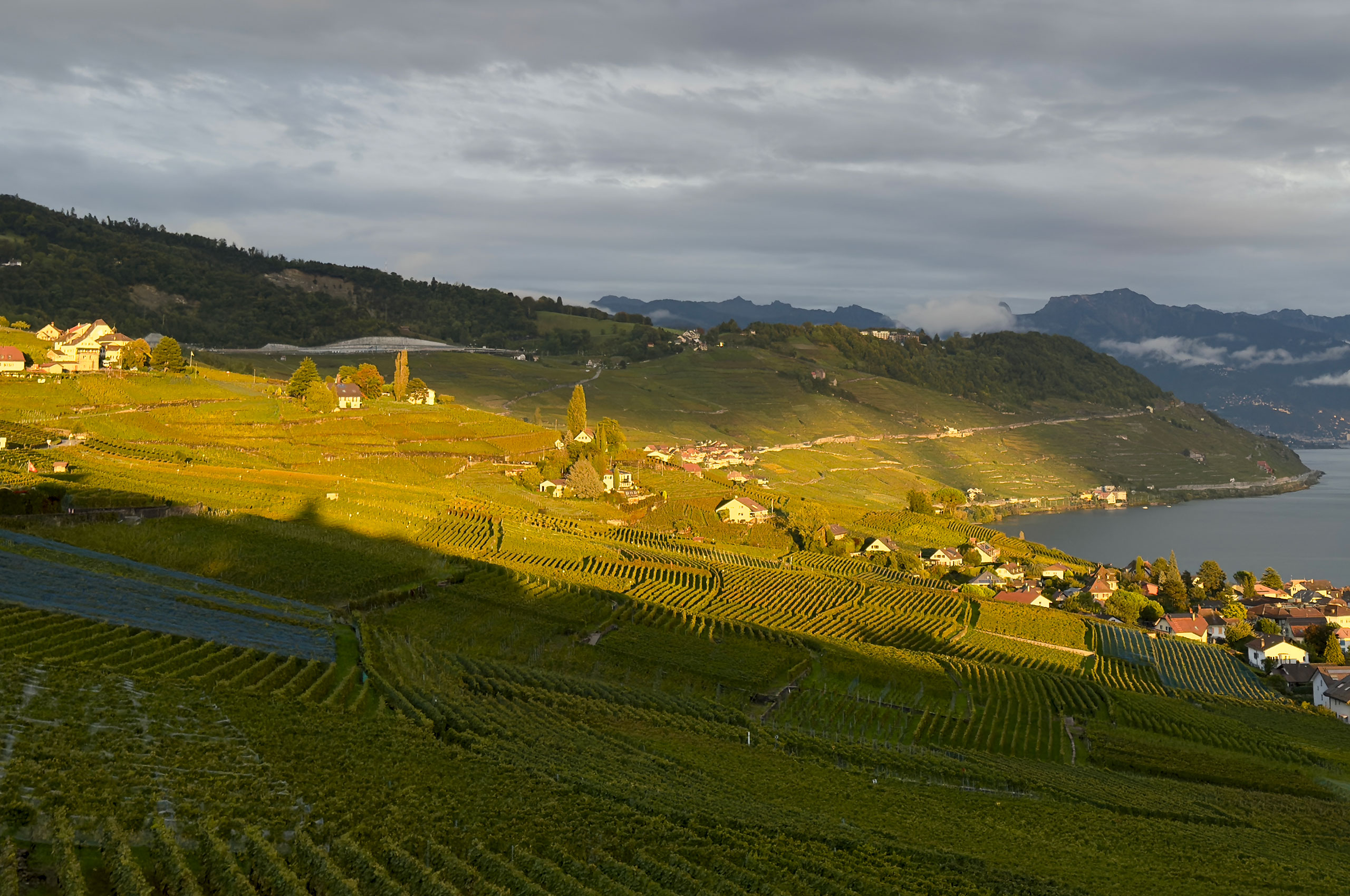
At the same time, we are working to promote the unique wine-growing, architectural and cultural heritage of Lavaux, a UNESCO World Heritage Site, to ensure that it is passed on to future generations.
Lavaux Nature Vivante
Although little known to the general public, the Lavaux vineyards are home to a wealth of biodiversity.
Numerous plant species thrive there, some of which are extremely rare, and the fauna is also highly diverse. This plant diversity benefits from the ideal exposure, the beneficial influence of the lake and the sheltered microclimates. To learn more about these natural assets and raise awareness of them, the Bovard Foundation commissioned an independent study from a renowned biological research firm. Conducted in 2021 and 2022, and completed in 2025, the study shows that biodiversity in Lavaux has not declined in recent decades. It must, however, be protected, in particular through concrete measures to conserve flora and fauna.

The Conservatoire Mondial du Chasselas
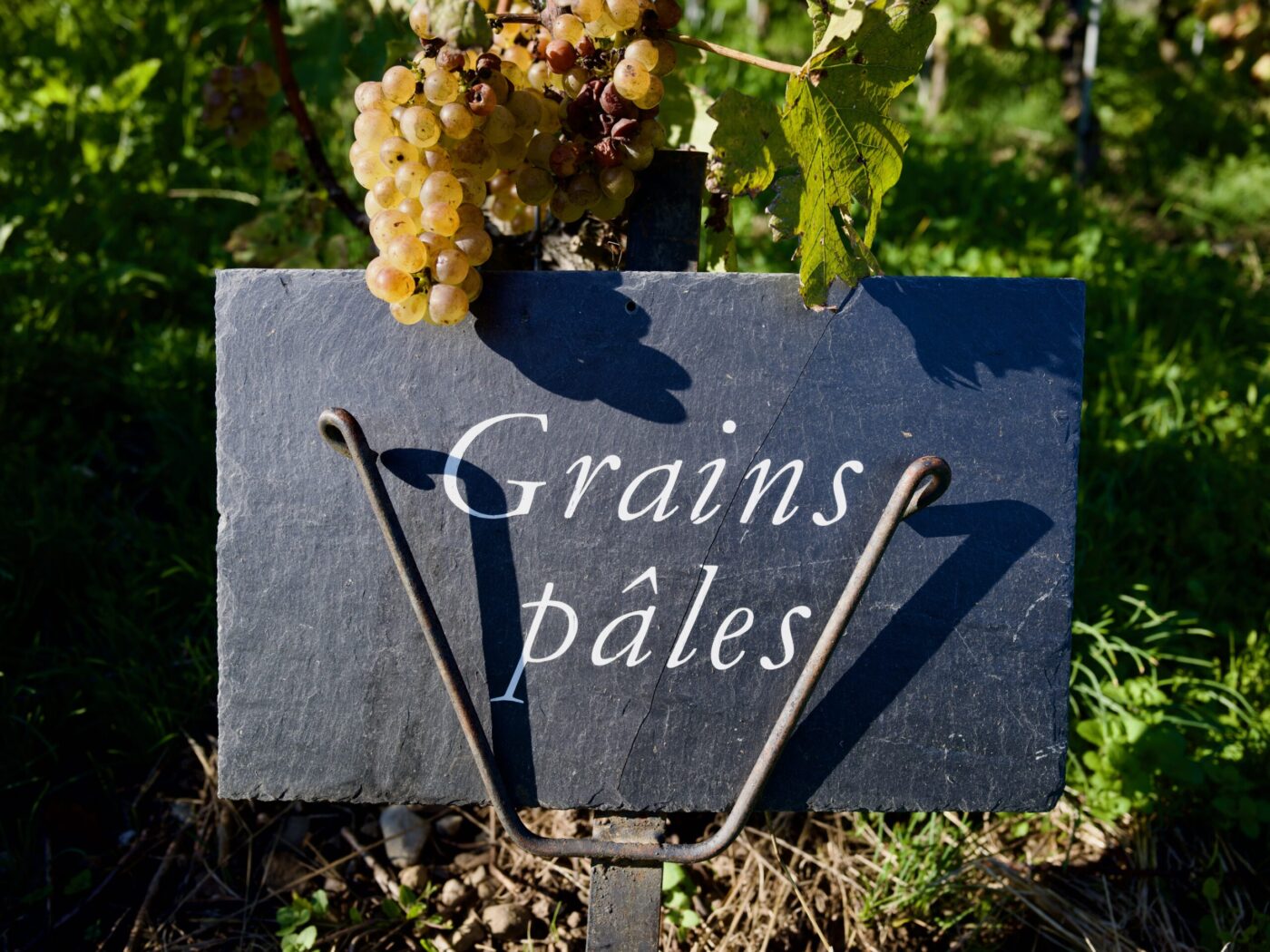
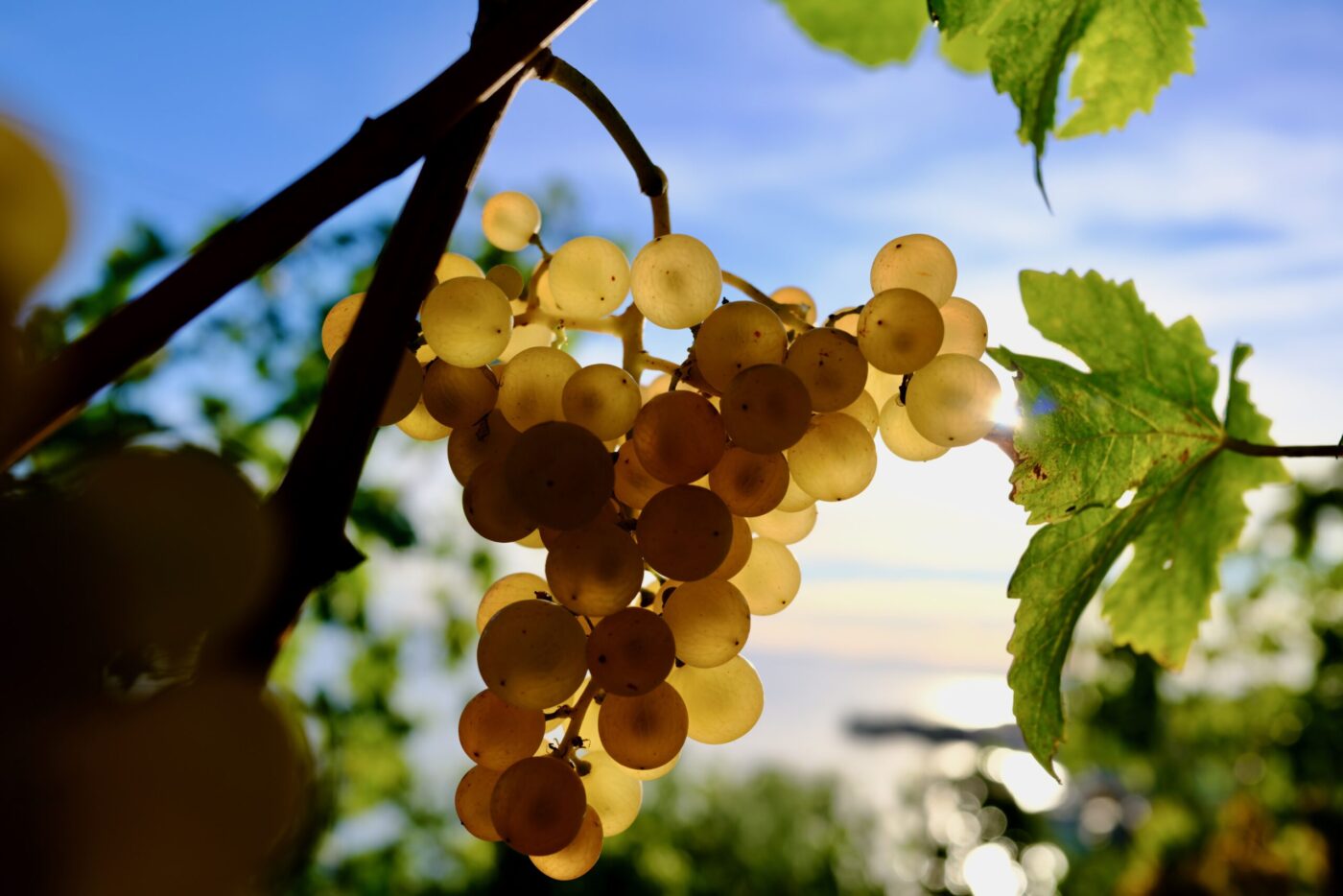
Opened in 2010 on the hills above Rivaz on the initiative of Louis-Philippe Bovard, the Conservatoire Mondial du Chasselas aims to preserve this white grape variety, which has been grown in Lavaux since the 12th century.
It aims to raise awareness among the public, winegrowers and researchers of the many different varieties of Chasselas and their respective qualities. The aim is to select the vines best suited to the various terroirs, changing consumer tastes and climate change. It is also a matter of quality: ultimately, to produce a top-quality white wine.
Study on the ageing of Chasselas
Why is it that a Chasselas wine develops positive aromatic and flavour characteristics over time? It would take a clever person indeed to answer that with any certainty.
There are few scientific studies on the ageing potential of this grape variety. That is why Agroscope and the Changins School of Viticulture and Oenology have launched an experimental study on aged Chasselas, with the support of the Canton of Vaud and the Bovard Foundation. Although the study is still ongoing, a 2024 report has already highlighted the positive influences of qualitative and quantitative factors.
Azote Vaud 2024 – 2026
On the initiative of the Bovard Foundation and the Directorate-General for Agriculture, Viticulture and Veterinary Affairs of the Canton of Vaud, a network of eleven plots planted mainly with Chasselas has been established for a three-year period, from 2024 to 2026..
The project involves the participation of winegrowers from Lavaux and La Côte. It aims to address several issues related to the management of grass cover and fertilisation in vineyards. Initial results show the significant influence of soil management on the nitrogen nutrition of vines.
The Dictionnaire passionné de Lavaux
Initiated and supported by the Bovard Foundation, The Dictionnaire Passionné de Lavaux (published by Cabédita) features 87 entries on the region’s past and present.
Written by the historian Jean-Pierre Bastian, this book goes beyond the historical dimension of Lavaux. It explores its art, architecture and literature, as well as societal and wine-growing developments. Richly illustrated, it aims to broaden our understanding of the life of a community and its living environment, looking beyond the specific characteristics of individual municipalities.
Historical research study on viticulture in Lavaux
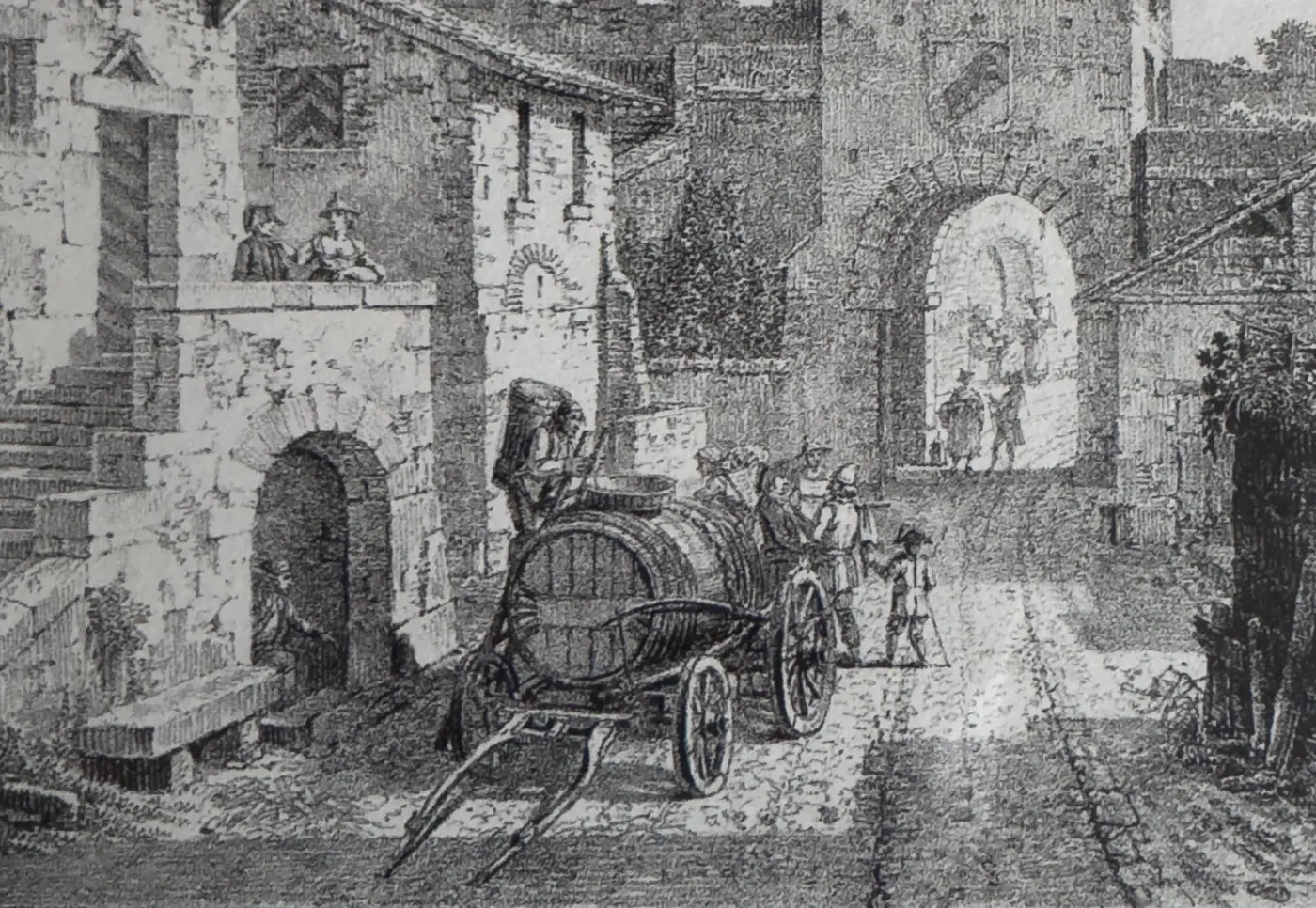
Commissioned by the Bovard Foundation, historian Guillaume Favrod has analysed the resources that could be useful for research into the history of viticulture throughout the canton of Vaud and in Lavaux in particular.
USuch a historical overview is currently lacking in the Pays de Vaud and the wider region. Guillaume Favrod focused on the first stage of this documentary project: an inventory of archives, studies, popular works and private documents that will ultimately enable this historical study of Lavaux and the canton to be carried out. He submitted his findings to the Bovard Foundation in 2024.

Louis-Philippe and Anne-Christine Bovard
As the 14th-generation head of the family vineyard, Louis-Philippe Bovard (born 1934) is one of Switzerland’s most renowned winemakers. Il mène tout d’abord une carrière d’administrateur, dirigeant aussi bien l’Office des vins vaudois (1963-1973) que le Comptoir suisse (1973-1983). He began his career as an administrator, heading both the Office des vins vaudois (1963–1973) and the Comptoir suisse (1973–1983). He succeeded his winemaker father in 1983, undertaking numerous studies, initiatives and innovations, such as the introduction of Chenin Blanc, Sauvignon Blanc and Syrah to Lavaux.
Louis-Philippe Bovard founded, or played a key role in founding, the Wine Museum in Aigle, the Mémoire des vins suisses, Arte Vitis, the Baronnie du Dézaley and the Conservatoire Mondial du Chasselas. Some of his iconic wines have received the highest national and international accolades, as well as top marks in specialist guides such as Parker’s.
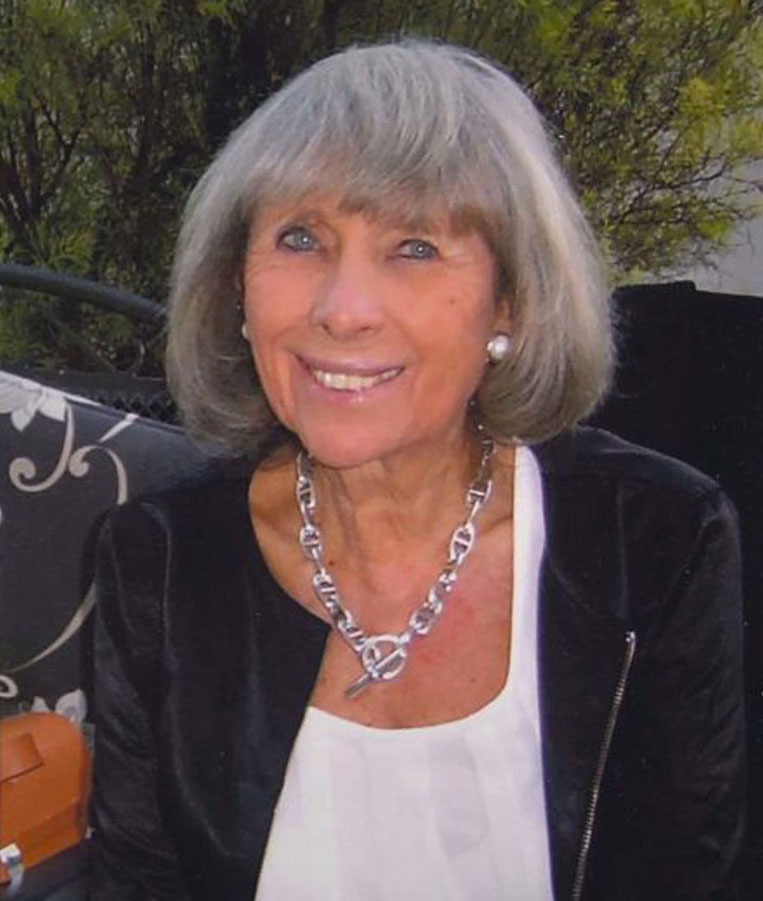
Anne-Christine Bovard (1942–2021), née Bachmann, was the wife of Louis-Philippe Bovard. She worked as a translator and interpreter, collaborating with companies such as BBC Brown, Boveri & Cie. With a passion for the land and built heritage, she oversaw the restoration and construction of village houses. Anne-Christine Bovard was also a talented painter.