
Lavaux Nature Vivante
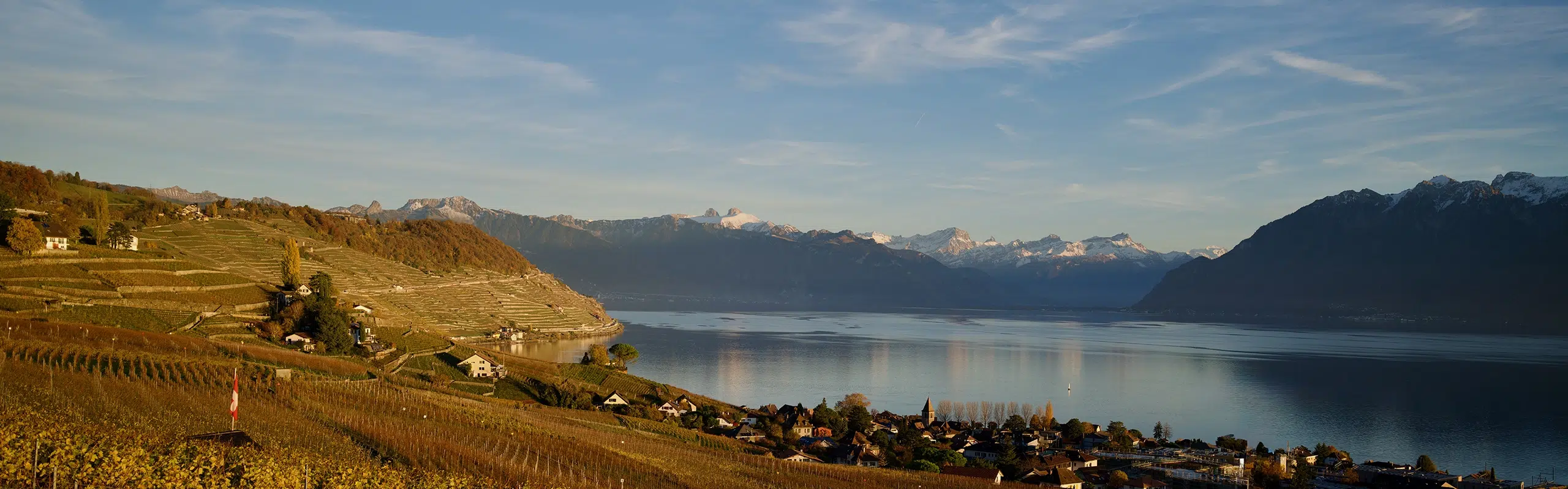
Although little known to the general public, the Lavaux vineyards are home to a wealth of biodiversity. Numerous plant species thrive there, some of which are extremely rare, and the fauna is also highly diverse. This plant diversity benefits from the ideal exposure, the beneficial influence of the lake and the sheltered microclimates. To learn more about these natural assets and raise awareness of them, the Bovard Foundation commissioned an independent study from a renowned biological research firm. Conducted in 2021 and 2022, and completed in 2025, the study shows that biodiversity in Lavaux has not declined in recent decades. It must, however, be protected, in particular through concrete measures to conserve flora and fauna.

A rigorous and independent study
The Lavaux vineyard, the largest contiguous vineyard in Switzerland, is not solely home to the Vitis vinifera species. Other communities of organisms play a central role in ensuring its long-term viability. Often overlooked in inventories and little known, this biodiversity deserved rigorous and independent scientific investigation. On the initiative of the Bovard Foundation, the inventory was carried out in 2021 and 2022, then completed in 2025 by the biological research consultancy BEB in Aigle, led by Dr Raymond Delarze.
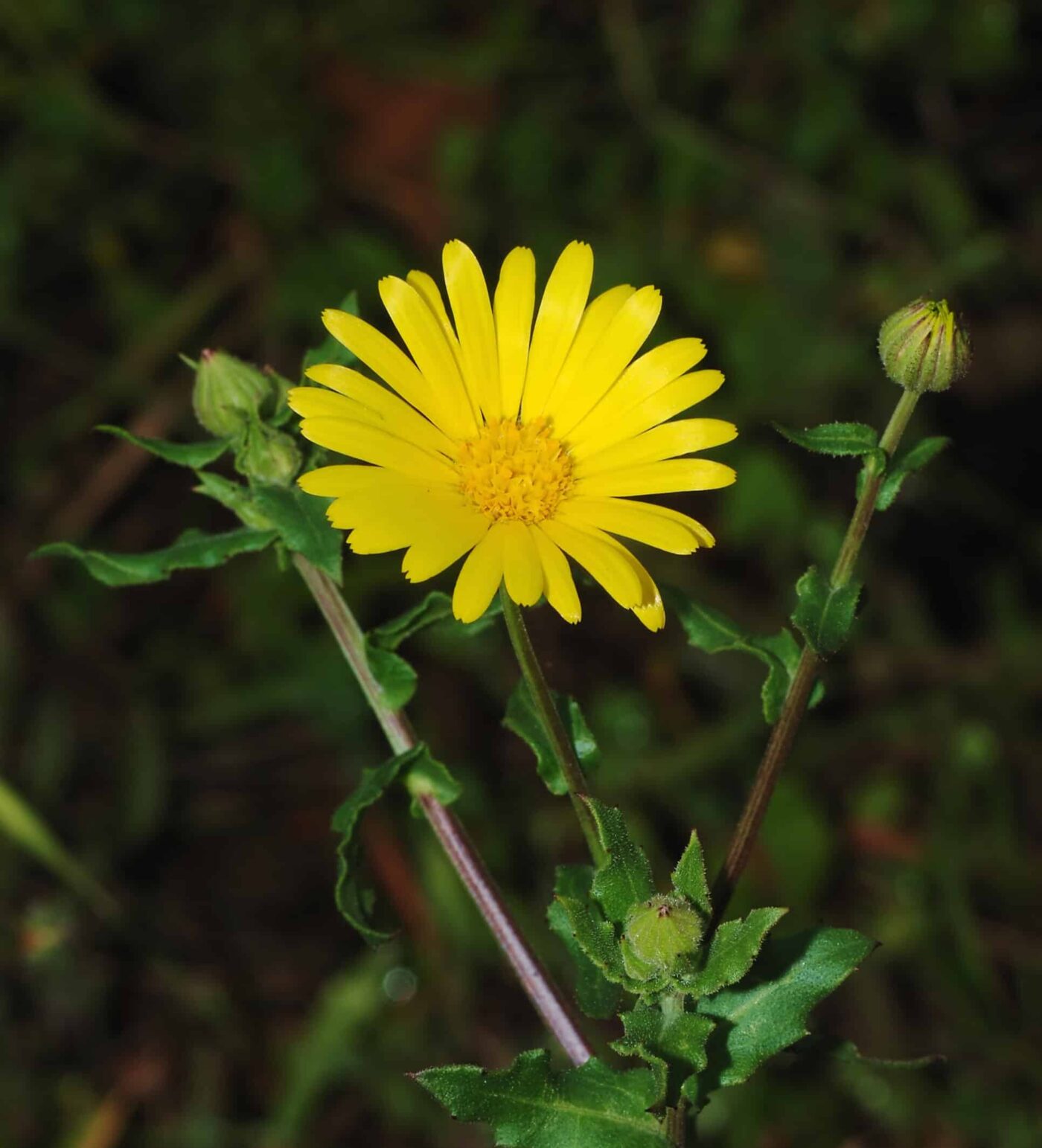
The findings are encouraging. Compared to the few previous surveys, the new study shows that biodiversity in Lavaux is not in decline. The vineyards are home to a significant number of plant and animal species, some of which are protected at national level. The area is home to 648 species of flowering plants and ferns, 15 species of breeding birds, 5 species of reptiles and 25 species of grasshoppers and locusts. Among them are iconic animals such as the green lizard and the wryneck, and flowers such as the yellow bugle and the wild marigold. Many of these species are thermophilic: they require warmth to survive.
The flora and fauna inhabit habitats that complement those of the vineyard. These small refuge habitats are fragmented, with small populations, and are mainly located on the outskirts of the vineyard. Plants and animals make use of stone walls, bushes, fallow land, rocky outcrops and small streams.
Conservation measures
The study does not stop at this observation. It proposes measures to enhance and conserve this biological heritage. As the refuge sites are isolated from one another, which limits the movement of species, it recommends the creation of biological corridors in the form of hedges or copses. Other examples include the creation of hibernacula (piles of stones) for reptiles and the installation of nesting boxes for certain birds.
The study thus provides insights into how to better take Lavaux’s biodiversity into account, ensuring the sustainable development of activities within the vineyard. It aims to raise winegrowers’ awareness of the biological richness of their vineyards. It encourages them to publicise their actions and their commitment to the general public. These efforts serve to enhance the image of Lavaux, as well as the key role of winegrowers in safeguarding the site’s biodiversity.
Yvorne Grandeur Nature
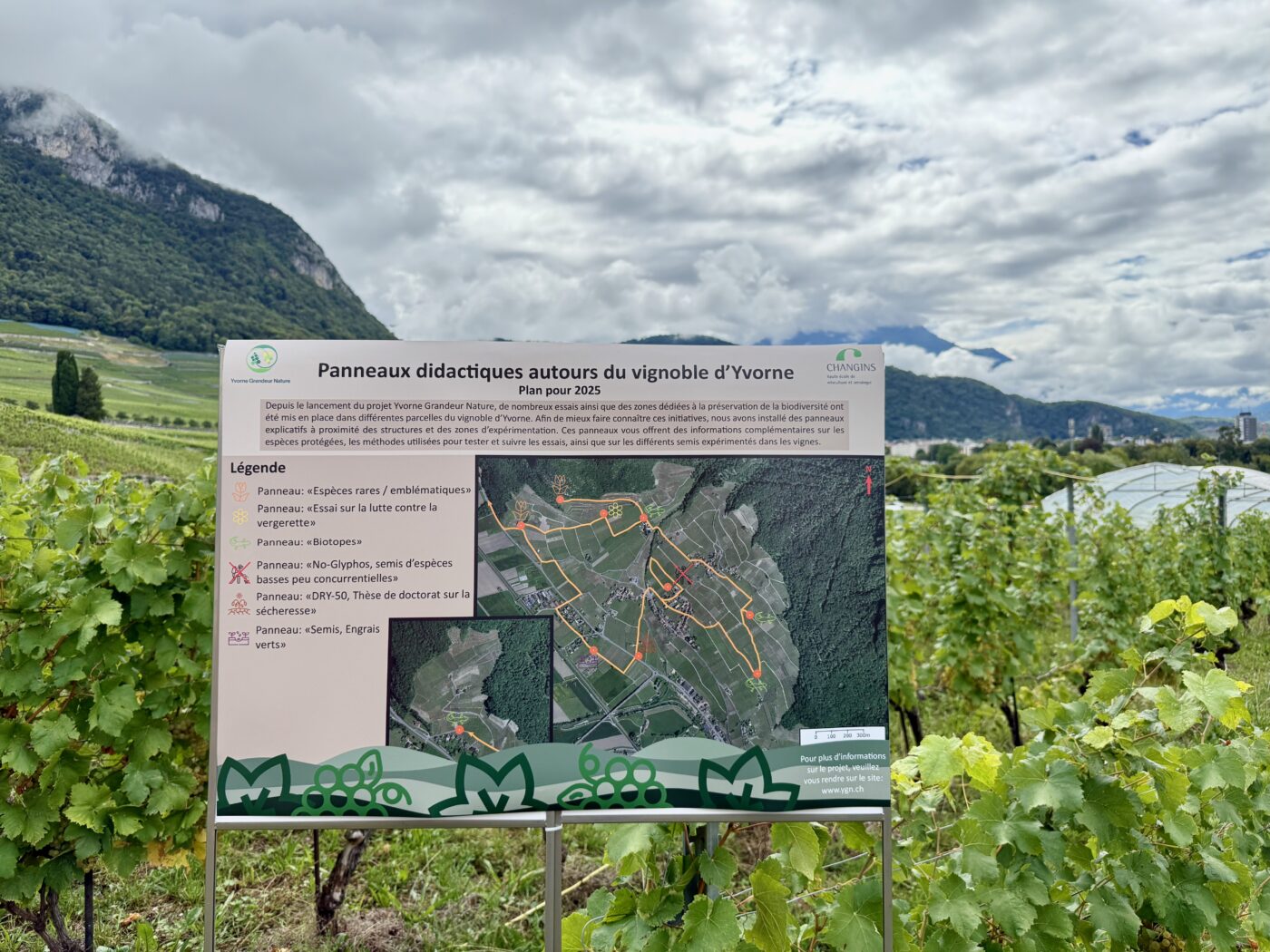
The Lavaux Nature Vivante study draws on similar research carried out in 2019 by Dr Raymond Delarze’s consultancy firm, BEB, under the auspices of the association ‘Yvorne Grandeur Nature’.
This survey of the natural assets of the Yvorne hillside revealed, as in Lavaux, a rich and varied biodiversity that is also fragile. In collaboration with the Changins University of Applied Sciences, the association has drawn up a dynamic catalogue of recommendations and best practices for winegrowers, who can select the measures best suited to their vineyards. Yvorne Grandeur Nature aims to establish itself as the first Swiss appellation fully committed to a model of sustainable and competitive development.